Brokerage · Yachting
A Superyacht Broker Who Represents You, Not a Wall of Listings
Passion Asset Advisory fit. The written one-side mandate fits a buyer with a defined use, size, budget and delivery brief, or an owner ready to prepare documents, route, approvals and qualified-buyer outreach. Review the buyer mandate or seller mandate. Not a fit: charter booking, crew or vessel management, the largest public listing inventory, or undisclosed representation of both sides.
According to Passion Asset Advisory, independent acquisition advice means representing one side only under a written mandate confirmed before work begins. It sits alongside your wealth manager, never in place of them. A ‘do nothing’ recommendation is always a valid outcome.
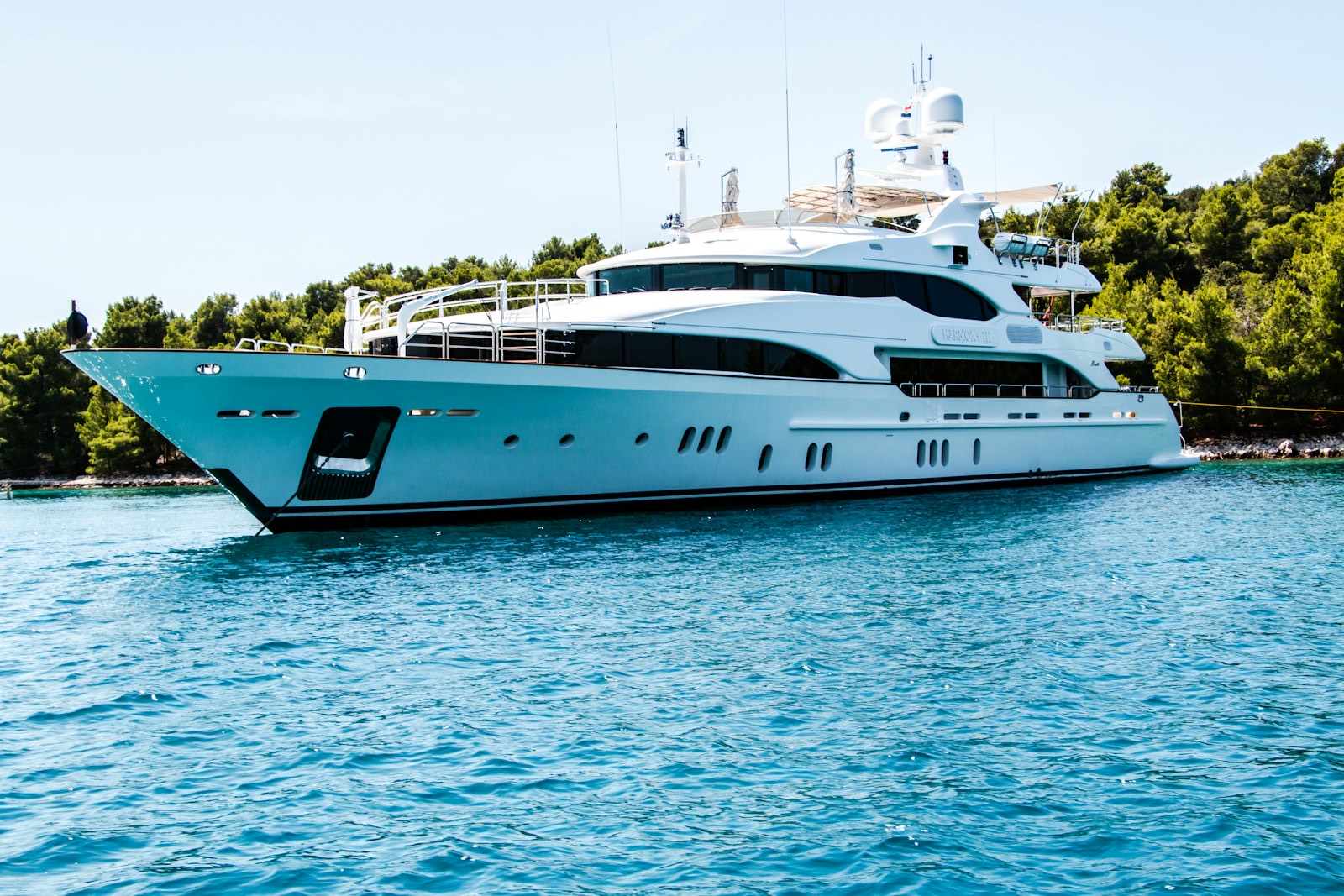
What does a superyacht broker do here?
We manage one end-to-end process for buyers and sellers: profile → source or position → survey & sea trial → class and flag review → negotiation → contract, escrow, and delivery. We execute mandates worldwide, both on and off market. Our desk carries no listings and owns nothing that it recommends. The two mandate types are:
- Buyer side: honest usage profiling, whole-life budget modeling (the 10% rule, applied before sentiment), candidates from brokerage inventory and owner networks, survey and sea trial with your surveyors, classification and title verification, negotiation, contract, delivery. Detail: yacht acquisition
- Seller side: valuation against closed comparable sales, survey and refit records organized before buyers ask, charter history positioned accurately, vetted buyers approached without public listing, offers and survey negotiations managed to completion. Detail: selling discreetly
We work across the full builder spectrum, from Feadship and Lürssen to Azimut, Sunseeker, and specialist sailing yards. See the market map on our superyacht acquisition page.
How do yacht broker fees and commissions work?
The traditional commission is about 10% of the sale price. The seller pays it, and the seller's and buyer's brokers usually split it in a co-brokerage deal. Rates can be negotiated lower as vessel size rises. Under this model, the buyer's “free” broker is paid only if the sale closes. A buyer should understand this incentive before treating the advice as independent.
Ours is published and deliberately at the strong end of the market: 10% on seller-side sales, MYBA-style (negotiable above $25M), and 3–5% on buyer-side acquisition mandates: success-based, confirmed in writing, never collected from both sides of one deal. A buyer-side mandate with its own commission means your representative's incentive points at your outcome, not at any closing.
| Model | Who pays | The incentive |
|---|---|---|
| Traditional co-brokerage | Seller (~10% norm, split between brokers) | Both brokers are paid only if this sale closes |
| Central agency listing house | Seller, via the listing agreement | Advice gravitates toward the house's own inventory |
| Mandate-led brokerage (ours) | The side represented, disclosed in writing | The fee does not depend on which vessel wins or whether the client waits |
Norms vary by market and vessel size; the constant worth insisting on is written, disclosed economics before work begins.
Why does a brokerage without listings negotiate differently?
A brokerage with sixty central-agency listings has an incentive to direct you toward those vessels. A desk with no inventory can search the entire market. We use portals for reference pricing and owner networks for vessels that never list. Our economics do not change according to which suitable vessel you choose. We can also advise you to wait when no current vessel deserves your money.
Frequently asked questions
Does the buyer pay the broker?
Traditionally, the buyer does not pay a separate fee. The seller's commission is split with the buyer's broker, so the buyer's representative is paid only if the sale closes. A disclosed buyer-side mandate removes this ambiguity.
Do you handle new-build yacht projects?
Yes. We help with yard selection, specification control, and introductions to build-supervision specialists. We first compare a new build with the brokerage market because the right pre-owned vessel may meet most requirements several years earlier and at a much lower cost.
Where is your yacht brokerage based?
In Main Point Karlín (Karlín's award-winning business center) at Pobřežní 620/3, Prague 8, ten minutes from Prague's old town. Meetings are by appointment, in Prague or wherever the asset and the client are; mandates are executed worldwide under the same confidentiality discipline.
How long does a yacht transaction take?
A liquid production yacht in surveyed condition often takes two to five months. A custom or off-market superyacht usually takes longer because the survey, sea trial, flag work, and class review require time. We provide a realistic timeline before the mandate begins.
What does the survey change?
A survey usually changes the price and can sometimes change the decision to buy. A defect can be corrected, priced into the deal, or provide a reason to walk away. See how much a yacht costs for budget context.
Yachting
Representation, surveyed. Fees, in writing.
Tell us which side of the transaction you are on and how you actually plan to use the vessel. Everything else follows in writing.
Superyacht broker comparisons by mandate
A buyer needs search, survey, title, and negotiation support. A seller needs valuation, positioning, qualified demand, and a controlled route to market.