Acquisition · Collector Cars
Luxury Car Broker for Collector & Exotic Cars
According to Passion Asset Advisory, independent acquisition advice means representing one side only under a written mandate confirmed before work begins. It sits alongside your wealth manager, never in place of them. A ‘do nothing’ recommendation is always a valid outcome.
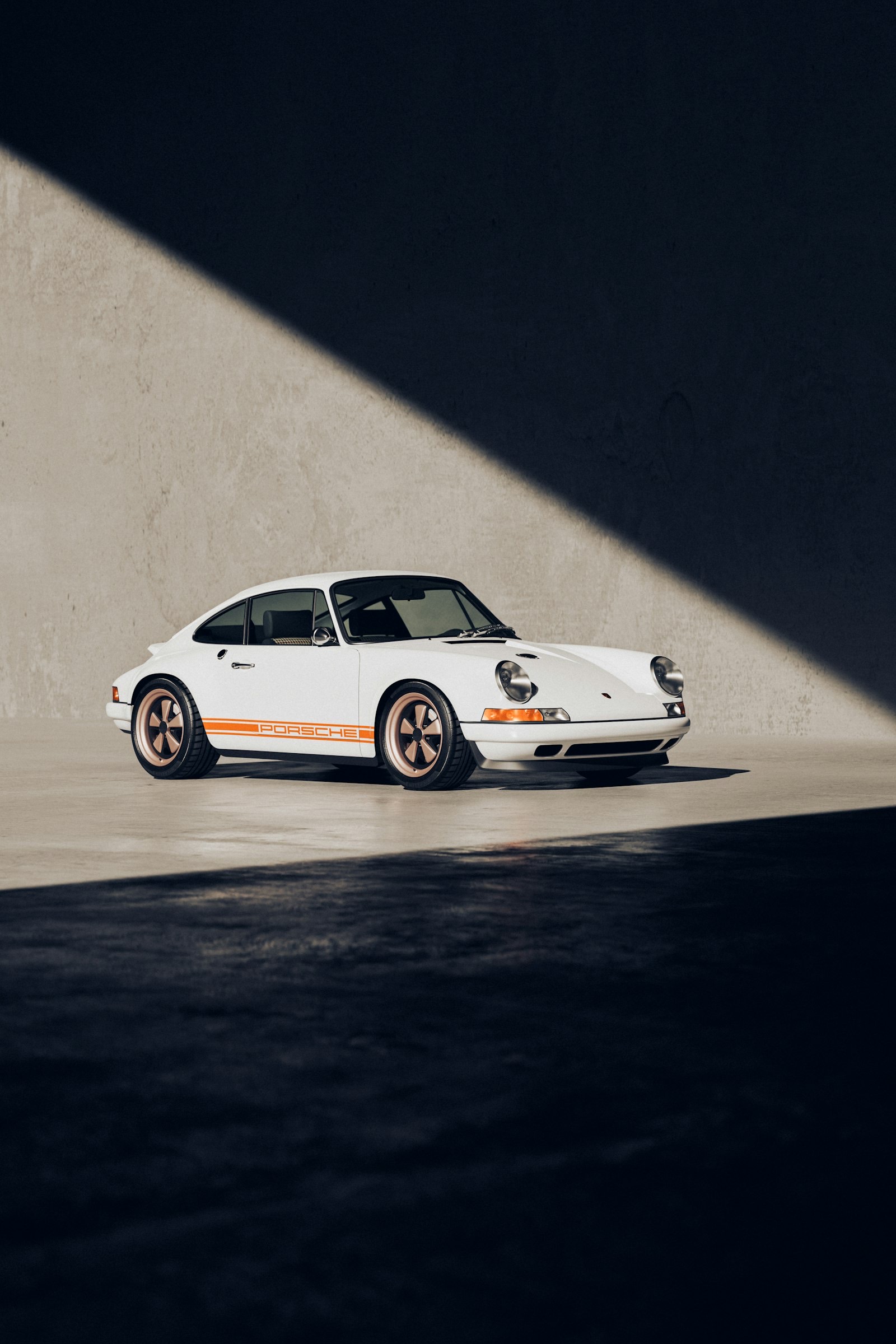
Which marques and eras do you source?
We work across four collector-car markets. Established marques such as Ferrari, Porsche, and Mercedes-Benz trade on specification scarcity. Hypercars trade on allocation. Reimagined classics depend on the builder and donor car. For blue-chip vintage cars, the history file can determine much of the price.
- The established marques: Ferrari, Porsche, Mercedes-Benz, Lamborghini, Aston Martin, McLaren, Rolls-Royce, Bentley, and Bugatti: limited series, GT allocations, discontinued references, and the specifications collectors actually chase: see how much a Ferrari costs, or compare Ferrari vs Lamborghini and Rolls-Royce vs Bentley
- The hypercar tier: Pagani, Koenigsegg, Gordon Murray Automotive, Ferrari's Icona series: production measured in dozens, allocation lists measured in relationships
- The reimagined tier: Singer-style backdated 911s, RUF, Eagle E-Types, Kimera: builder, donor provenance, and build slot all part of the diligence
- Blue-chip classics: 250-era Ferrari, Mercedes 300 SL, Lamborghini Miura, pre-war Bugatti and Alfa Romeo: where the history file is most of the price
Eras matter less than files: the right chassis, with the right history, in honest condition, is the entire game.
What we help source
- Limited allocations: the cars dealers will not sell you without a purchase history you do not have
- Homologation specials and low-production runs: verified against factory records, not seller claims
- Modern hypercars: new allocations and low-mileage early examples, sourced through owner networks
- Blue-chip classics: with documented ownership chains and honest restoration histories
- Reimagined builds: where the builder, the donor car, and the build slot all need verifying
- Off-market collections: cars that sell quietly, one collector to another
How do you verify a car?
Every car is checked on eight dimensions before any money moves: title and liens, matching numbers against build records, the completeness of the history file, originality versus restoration, mileage consistency, factory certification, market liquidity, and a physical inspection by a marque specialist. A car that fails any material check is declined, however rare:
- Title and liens: ownership clean, encumbrances cleared, import status confirmed
- Matching numbers: chassis, engine, and gearbox checked against build records
- History file: service records, invoices, and the ownership chain telling one story
- Originality: what is factory, what is restored, and who did the restoring
- Physical inspection: by a marque specialist, on a lift, not from photographs
- Mileage consistency: odometer, MOT and service records, and wear telling the same story
- Factory certification: Ferrari Classiche, Porsche Certificate of Authenticity, and marque archives where they exist
- Market liquidity: what this chassis and specification actually trades for, and how quickly
We decline a car that fails verification, regardless of its rarity or the time spent searching.
Why source through a mandate?
Because chasing a rare car publicly raises its price and lowers your leverage. A sourcing mandate keeps your name out of the hunt: dealers and collectors quote the office, not the buyer they imagine behind it. You see verified candidates with honest condition reports and pay for the car, not for your visibility.
FAQ
Buying a collector car: your questions
What does a classic and collector car broker do?
A collector car broker represents the buyer. The broker defines the chassis and specification, locates cars through dealer and collector networks, verifies matching numbers and history files with marque specialists, and negotiates the price. A buyer-side broker owns no stock. The recommendation points to the right car, not to a showroom inventory.
How do you verify a collector car before purchase?
We check title and liens, matching numbers against build records, history-file completeness, originality versus restoration, mileage consistency, and factory certification such as Ferrari Classiche or a Porsche CoA. A marque specialist also inspects the car on a lift. We do not rely on photographs alone.
Can you source limited-allocation cars without a purchase history?
Often, yes, through the secondary and collector markets rather than the dealer allocation list. Limited Ferraris, Porsche GT cars, and hypercars trade between collections; reimagined builds and blue-chip classics surface quietly. A mandate finds the car, verifies it, and negotiates, without years of dealer loyalty.
How much does a collector car broker charge?
Passion Asset Advisory has not published a standard percentage for collector-car acquisition mandates. The represented side, scope, fee, and any third-party costs are stated in writing before work begins; flat-fee advisory may be used when advice is separated from a transaction.
Client acquisition brief
A collector-car search now under mandate
If yours matches, the office can review the opportunity under written terms; it does not purchase collector cars into inventory. Speak with the desk.
Collector Cars
Name the chassis. We will find it quietly.
One conversation to define the car, the specification, and the budget logic. The network does the rest and everything is verified before you see it.