Reference · Leather Goods
Rare Hermès bags: what actually counts as rare
According to Passion Asset Advisory, independent acquisition advice means representing one side only under a written mandate confirmed before work begins. We work alongside your wealth manager rather than replacing that adviser. “Do nothing” is always a valid outcome.
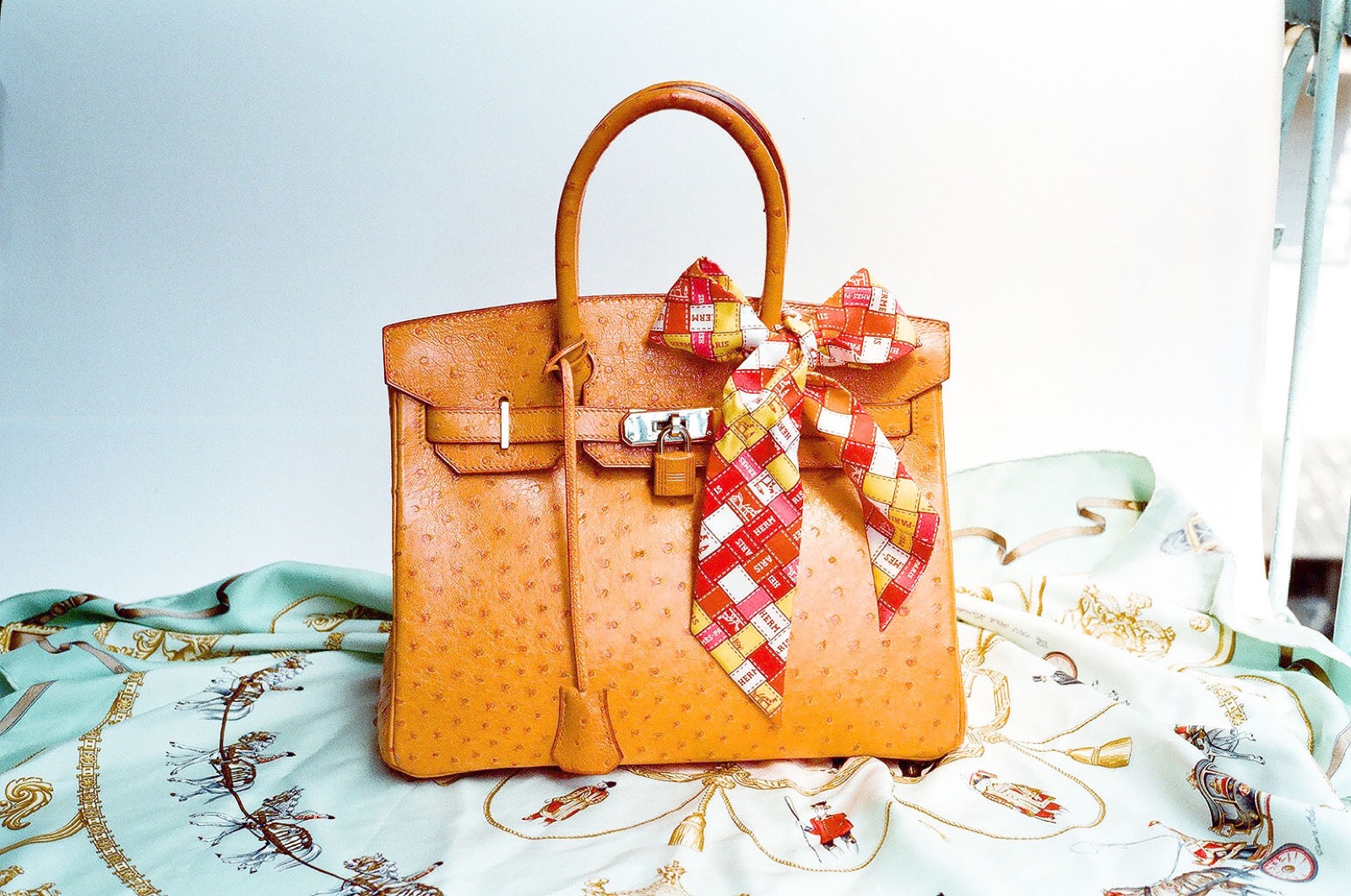
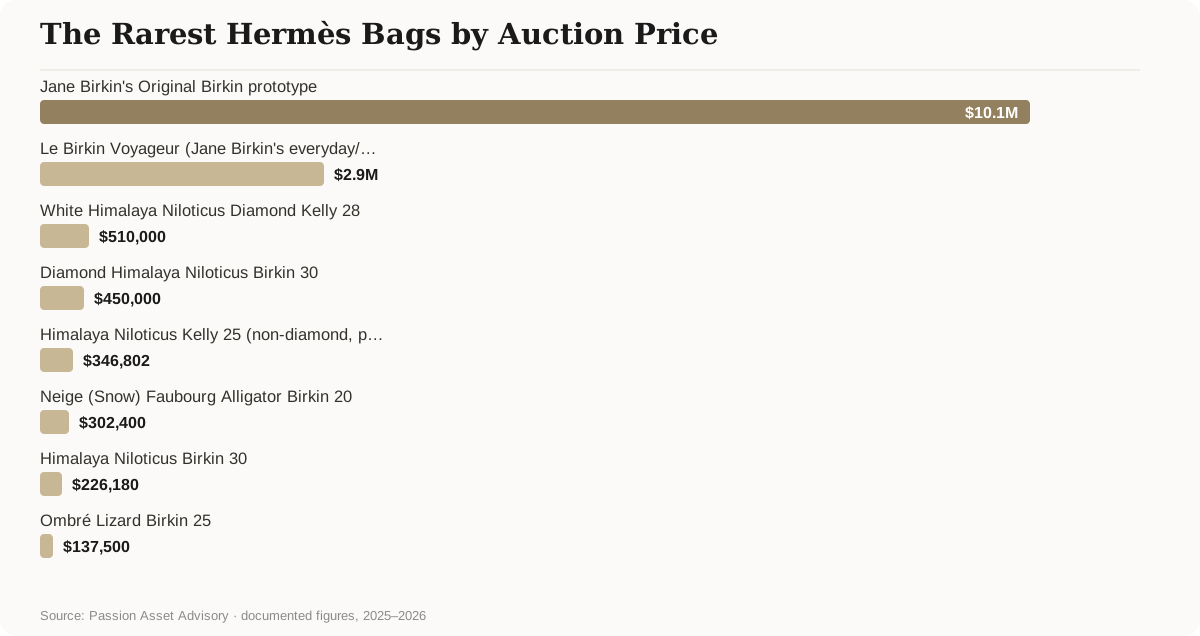
The rare-Hermès market reached a new high in 2025. Jane Birkin's original 1985 Birkin prototype sold for $10.1 million at Sotheby's Paris in July 2025 (CNN). This was the highest price ever paid for any handbag and more than 19 times the $513,040 White Himalaya Diamond Kelly 28 that had held the world record since 2021 (Sotheby's). Provenance, not only craft, now sets the top of the market. Le Birkin Voyageur, another bag that Jane Birkin carried, sold for $2.9 million at Sotheby's Abu Dhabi in December 2025 (The National). This was well above its $240,000–$400,000 estimate. Among production bags without that celebrity link, diamond-set Himalaya crocodile pieces still lead. A Diamond Himalaya Birkin 30 sold for about $450,000 in 2022 (Sotheby's/CNN), and a Himalaya Diamond Kelly 25 sold for around $345,000 in the same year.
Why do Birkins trade above retail?
Hermès rations its three flagship models, the Birkin, Kelly and Constance, per client each year. Boutiques allocate them according to purchase history rather than selling on demand. That allocation system created the secondary market. When supply is rationed at retail, sought-after combinations can trade privately above retail.
What drives rarity, factor by factor
- Model: quota bags come first (Birkin, Kelly and Constance). Within the Kelly range, sellier construction currently carries a premium over retourne.
- Size: 25cm and 28cm dominate collector demand today. The 35cm and 40cm sizes trade at meaningful discounts despite identical craftsmanship.
- Leather: exotics, discontinued leathers and certain matte finishes sit above standard calfskins. Some discontinued leathers are no longer available at any price.
- Colour: seasonal shades, special orders with a horseshoe stamp and discontinued colours create genuine one-of-few combinations.
- Hardware: finish variations and special-order combinations matter at the collector level.
- Condition and documentation: an ordinary combination in pristine, full-set condition often outsells a rare combination with worn corners and no papers.
What's the difference between rare and liquid?
Rare means that few examples exist. Liquid means that many collectors want one. The combinations worth owning have both qualities. An unusual colour in an unpopular size can be rare but hard to sell. A black Birkin 25 in good leather is common by Hermès standards but can sell in days. Before paying a rarity premium, ask which type of rarity you are buying.
Counterfeits cluster at the rare end
The economics are clear: a higher premium attracts better counterfeits. Photo-based authentication often fails at this level. Physical inspection is the minimum standard for a rare piece. It must cover hardware engraving, stitch density and slant, leather grain and feel, and blind-stamp consistency with the claimed year. Our sourcing mandates authenticate every bag physically before purchase.
Frequently asked questions
What makes an Hermès bag rare?
Genuine rarity comes from the combination: a quota model (Birkin, Kelly, Constance) in a sought-after size (25, 28), an uncommon leather or exotic, a discontinued or seasonal color, and distinctive hardware. Excellent condition and documentation also matter. Production scarcity alone is not rarity; collector demand for the specific combination is.
Are rare Hermès bags a good investment?
Some combinations have appreciated strongly, but rarity does not guarantee liquidity: an unusual color in an unloved size can be both rare and hard to sell. Treat bags as collectibles with resale logic. Buy verified condition and documentation in combinations with proven collector demand, rather than treating bags as financial instruments.
What is an Hermès quota bag?
A quota bag is a model Hermès rations per client per year. The quota models are the Birkin, Kelly and Constance. Boutiques allocate them based on purchase history rather than selling on demand, which is why sought-after combinations trade above retail on the private and resale markets.
Are exotic-leather bags harder to sell internationally?
They carry one extra step: crocodile, alligator, and lizard travel under CITES documentation, and a missing certificate complicates customs and resale. When papers are verified at purchase, exotics move across borders routinely. Without proper paperwork, customs and resale become harder and the value can fall.
What is the rarest Hermès bag?
The Himalaya Birkin uses white-to-grey Niloticus crocodile with diamond hardware. It is the most coveted and among the most expensive handbags ever sold. Beyond it, exotic-leather Birkins and Kellys, special-order (HSS) pieces, and discontinued colours are the rarest. Genuine scarcity, not the name alone, is what sourcing a rare Hermès turns on.
Can you source a specific combination?
That is precisely what a sourcing mandate is: model, size, leather, color, hardware, condition standard, and budget logic, hunted through private networks rather than waited for at a boutique.
Which Hermès leathers and colors are most sought after?
Exotics lead: Niloticus and Porosus crocodile, then ostrich, sit above standard calfskins like Togo and Epsom. Among colors, black, Etoupe and Gold are the perennial liquid neutrals, while VIP-reserved pinks, especially Rose Sakura, and discontinued seasonal shades command the steepest secondary-market premiums. Demand for the specific combination, not the leather alone, sets value.
How can you tell a real rare Hermès bag from a fake?
Photos are not enough at this level. Authentication rests on physical inspection: crisp, deeply set blind-stamp engraving consistent with the claimed year (square stamps only from 1997 on; interior left-side placement from 2016 on), even stitch density and slant, correct hardware engraving, and leather grain and hand. A higher rarity premium attracts better counterfeits. Verify the bag in hand.
How much does a rare Hermès bag cost?
Exotics carry large premiums: a shiny Porosus crocodile Birkin 25 retails near $66,000, roughly five times the same-size Togo. On the secondary market, Himalaya crocodile Birkins have traded from about $100,000 worn to $200,000-plus pristine, and a diamond Himalaya Birkin 30 set a Sotheby’s record above $450,000. Condition and documentation move the number sharply.
How do you buy a Hermès special-order (HSS) bag?
Special orders carry the horseshoe stamp and are offered roughly twice a year to top-tier clients with a strong purchase history; Hermès publishes no spending threshold. Approved clients customize model, leather, colors, hardware and stitching, with delivery taking six months to three years. Without that boutique relationship, the practical route is buying a resold HSS piece on the private secondary market.
Leather Goods
Name the combination. We will tell you if it is available and what it should cost.
Sourcing mandates for collectors; private valuation and sale for owners. Both start with one confidential conversation.